Blog / Marketplace
Buying Direct From Farmers: A Checklist for Restaurants, Retailers and Households
What to check before you order farm produce online: seller, grade, quantity, delivery, payment and what to do if something is wrong, so you get fresher food at a fairer price.
RootRise Team · · 7 min read
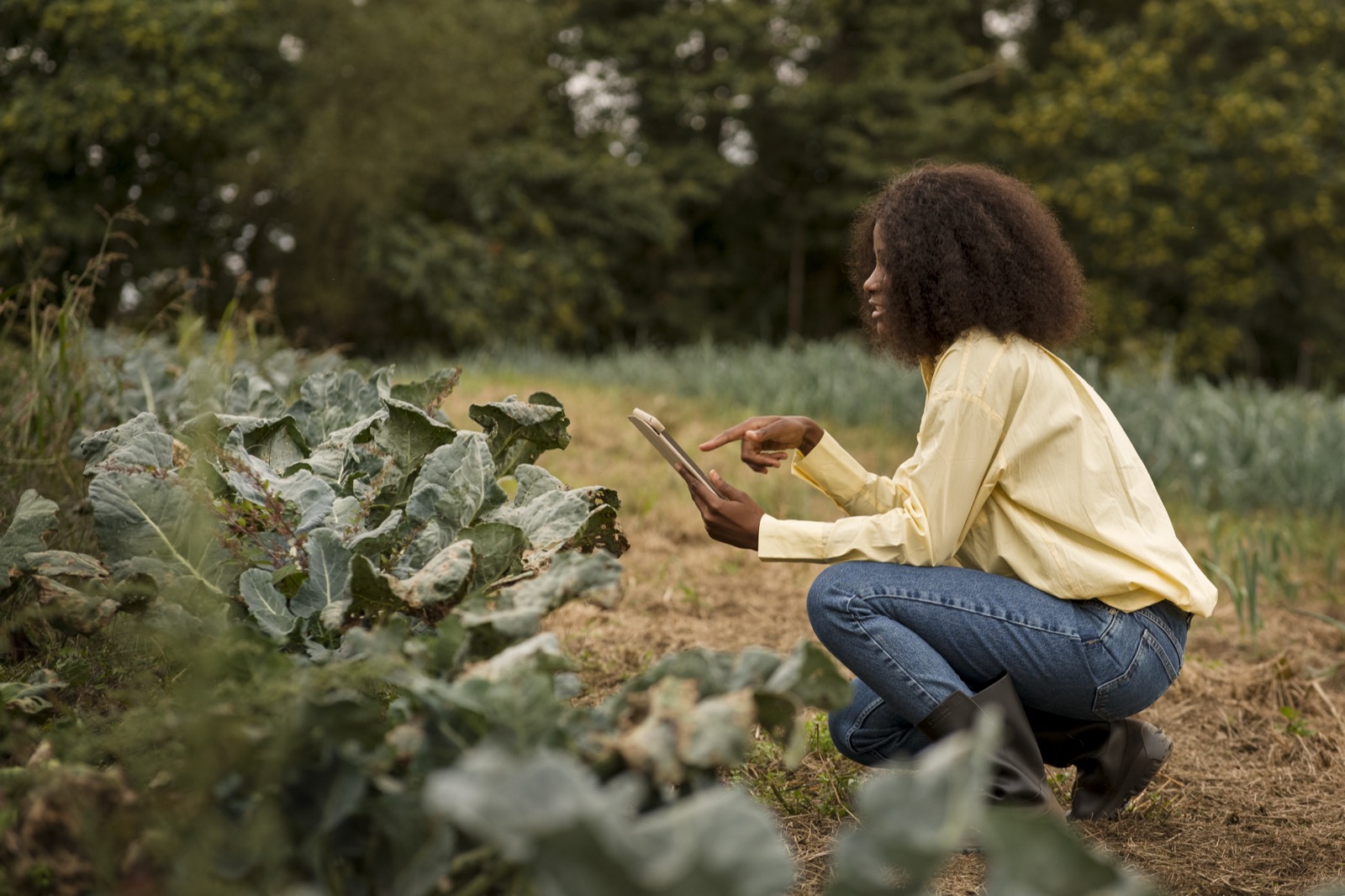
Buying directly from the farmer has real advantages. The produce is usually fresher, because it skips several handlers. The price is often fairer, because fewer people take a cut. And you can know where your food came from, which matters whether you run a restaurant kitchen, a shop, or just a family.
It also asks a little more of you than picking up bags at the market stall. You are trusting someone you cannot see, with produce you cannot touch before you pay. This checklist shows what to look for, so that trust is earned rather than hoped for.
Before you order
1. Look at the seller, not just the product
A good listing from a bad seller is still a bad purchase. Before you order:
- Check that the seller is verified. On Growa, sellers go through a verification step, and the badge next to their name shows they have done it. It does not guarantee a perfect harvest, but it means there is a real person and a real farm behind the listing.
- Read the reviews, especially the recent ones. A seller with a rating of 4.5 from forty buyers tells you more than one with five stars from one. Look at what the complaints are about: late delivery, crushed produce, wrong grade. Then ask whether those matter to you.
- Read how the seller replies. Sellers who answer complaints politely and fix them are the ones to order from again.
- Look at where they are. Produce that travels a short distance arrives fresher, and costs less to deliver.
2. Read the listing like a contract
Everything you need to know should be in the listing. If it is not, treat that as a warning.
- Grade. Grade A is the best-looking, most uniform produce. Grade B is cosmetically less perfect but often just as good to eat, and cheaper. If you are making sauce, soup or juice, B can save you money. If you are displaying produce on a shelf, you probably want A.
- Unit. A "basket" or "bag" can mean very different amounts in different places. Check whether the seller gives an approximate weight, and compare prices per kilogram, not per basket.
- Harvest date. For leafy greens, tomatoes and fruit, this matters a great deal. For grains and tubers, storage conditions matter more.
- Minimum order. Sellers set a minimum so that a delivery is worth making. If the minimum is more than you need, see group buying below.
- Photos. Photos should show the actual produce. If every picture looks like a stock image, ask the seller to describe what they will send.
3. Work out the real price
The listed price is not the whole price.
- Add the delivery fee. Sellers set their own, usually a flat amount. Compare it with the cost of collecting yourself.
- Think in price per kilogram. It is the only way to compare two sellers fairly.
- Remember what is cheap and what is not. A low price for produce that spoils in two days is no bargain. A slightly higher price for produce that lasts a week often is.
If the price looks high, you can make an offer. See Price Offers and Group Buys.
4. Choose delivery or pickup honestly
Delivery is convenient and the seller is responsible for getting the order to you. Sellers can set a delivery radius, so you may be offered pickup only if you are far away.
Pickup has no delivery fee, and it lets you see the produce before you take it. It is a good choice if the farm is nearby, or if you are buying a lot and want to inspect it.
Save your delivery address in the app, with a landmark and a phone number the rider can actually call. Most failed deliveries come down to an address that nobody can find.
Paying safely
Online buying makes some people nervous about payment, and that is reasonable. Here is how it works on Growa so you can decide for yourself.
- Bank transfer. When you place the order, you are given a one-off account number for that order and an exact amount. Send exactly that amount from your banking app, and the order is confirmed automatically when it arrives. The account is valid for about twenty minutes, so have your banking app ready. If it expires, you can ask for a new one.
- Your money is held until delivery. The seller does not receive it the moment you pay. It is released to them once your order has been delivered. This is the main protection a buyer has, and the reason to prefer paying through the platform over paying a stranger's personal account.
- Cash on delivery. If you prefer, you can pay the rider or seller in cash when the order arrives. It is simple, but it has no protection beyond your own inspection, and the seller is not paid until you hand over the money.
Two sensible rules whichever way you pay: never send money outside the app because a seller asks, and never pay an amount different from the one the app shows you.
You can read the full explanation in Why Your Money Is Held Until Delivery.
When the order arrives
This is where good buyers protect themselves.
- Inspect it before you accept it. Look at quantity, grade and freshness while the rider is still there if you can.
- Check against the listing. Does the produce match the photos and the grade?
- Photograph any problem straight away. Take clear photos of damaged or wrong produce, with the packaging, in good light.
- Report it quickly. Contact the seller first. Most problems are honest mistakes and are fixed with a quick message, a replacement or a partial refund.
- Raise a dispute if you need to. If you cannot agree, you can report a problem on the order. The photos you took are your evidence.
What you should not do is wait a week and then complain. Fresh produce cannot be inspected after it has been sitting in your kitchen.
Reviews help everyone
After you have received an order, leave an honest review. It helps the next buyer, and it rewards sellers who do things properly. Say what was good and what was not, in specific terms: "tomatoes were firm and evenly sized, two were bruised" is far more useful than "ok".
Buying more for less
If you need a lot, or you cannot meet a seller's minimum order, there are other ways to buy.
- Group buys. You can start a group buy for a product with a target quantity, and other buyers can join with their own quantities. Sellers bid on it, and you choose the winning bid. Because the seller gets one large order instead of many small ones, the price can come down. It works well for neighbours, small shops and cooperatives.
- Reserve ahead. If you know you will need a crop in a few months, such as maize, rice or tomatoes, you can reserve a share before it is harvested, paying a 20% deposit now and the rest at harvest. Read more in Selling Before Harvest.
A quick checklist to keep
Before you tap "Order", ask yourself:
- Is the seller verified, with reviews I trust?
- Do I understand the grade, the unit and the harvest date?
- Have I added the delivery fee and compared the price per kilogram?
- Have I chosen delivery or pickup, and is my address and phone number right?
- Am I paying through the app, with the exact amount shown?
- Will I inspect the order when it arrives, and photograph any problem?
If the answer to all six is yes, you are buying the way an experienced buyer does. Browse what is available on the Growa Marketplace, and buy a small order first to see how the seller does. If they deliver well, order again.