Blog / Marketplace
How to Sell Your Harvest Online in Nigeria: A Practical Guide for Farmers
A step-by-step guide to listing, pricing and delivering farm produce online: the photos, grades, prices and habits that turn browsers into repeat buyers.
RootRise Team · · 10 min read
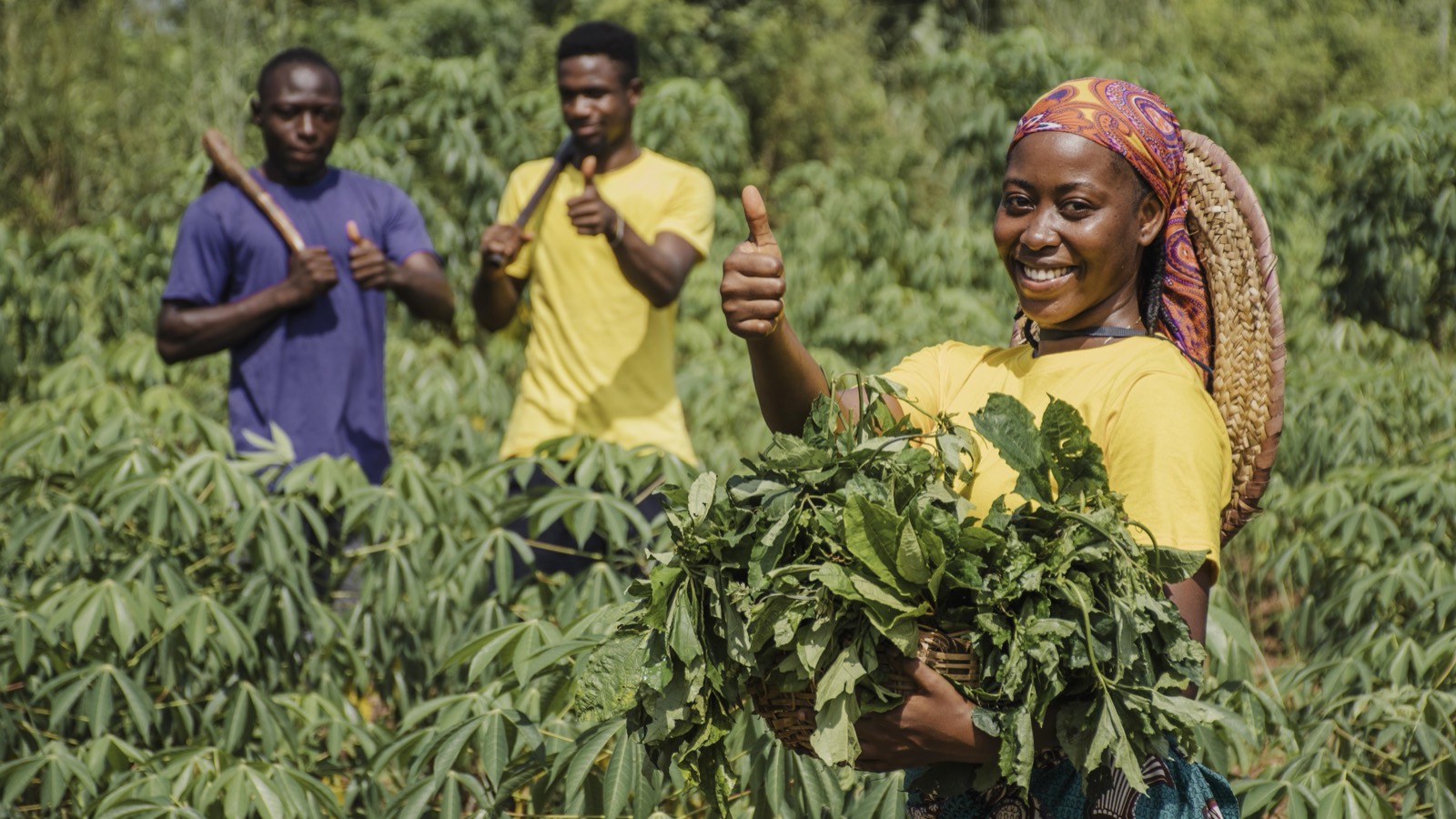
Most farmers already know how to grow a good crop. The harder part is turning it into money: finding a buyer you trust, agreeing a fair price, and getting paid without chasing anyone. Selling online does not change the farming. It changes how buyers find you, how the price is agreed, and how you are paid.
This guide walks through the whole process, from deciding what to list to getting your money, using the Growa marketplace as the example. Most of the advice holds on any platform, and it applies just as well to a market stall, a WhatsApp group or a supplier you deal with directly.
Why sell online at all?
Selling at the farm gate or in the local market works, but it has limits.
- Your buyers are whoever walks past. An online listing is seen by buyers in other towns who would never find your farm.
- Prices are often set by the person buying. When you have one or two buyers, they set the price. When many buyers can see your produce, you have room to negotiate.
- Cash handling is risky and slow. Delivering to a buyer who then "pays next week" is a common story. Digital payment removes most of that.
- There is no record. An online sale leaves an order, a price and a payment behind. That record is useful for planning, for taxes, and later for loans.
None of this means abandoning your existing buyers. Online sales work best as an extra channel: a way to sell the produce your regular buyers don't take, or to reach better prices in a good season.
Step 1: Decide what to list
Start with what you have in hand, not what you hope to grow.
Spot listings are produce that is harvested and ready now. A buyer orders, you prepare it, and it goes out.
Reserve-ahead listings are for a crop that is still growing. You describe it, set the expected harvest date, and buyers can reserve a share in advance by paying a deposit. This is a bigger commitment, and it has its own article: Selling Before Harvest.
For your first listings, choose two or three products you can supply reliably. A listing for produce you cannot deliver does more damage than having no listing at all, because a cancelled order costs you a buyer's trust, and ratings on a marketplace stick.
Step 2: Photograph it honestly
Photos sell produce. They are also the first thing a disappointed buyer compares against when something arrives.
- Use daylight. Shoot outdoors or by a window, in the morning or late afternoon. Harsh midday sun and indoor yellow light both distort colour.
- Show the real thing. A photo of the actual crates, baskets or bags you will send is better than a stock picture. Buyers will forgive a plain background. They will not forgive a surprise.
- Add a scale. A hand holding a tomato, or a bag next to a person, tells the buyer the size better than any description.
- Show variety. One wide shot of the whole lot, one close-up of the produce, one of the packaging.
- Do not edit the colour. Heavy filters make the produce look different on arrival and lead to complaints.
Up to ten photos per listing is plenty. Use them.
Step 3: Grade and describe it clearly
A buyer who has never met you needs three facts: what it is, how good it is, and how much there is.
Name and variety. "Tomatoes" is vague. "Roma tomatoes" or "UTC tomatoes" tells a restaurant whether it suits their kitchen. Name the variety if you know it.
Grade. Be strict with yourself. Grade A should be produce you would be happy to put in front of your own family: uniform size, no bruising, no rot, good colour. Grade B is perfectly sellable, and perfectly good for processing, soups and sauces, but it should be priced and described as B. Selling B as A is the fastest route to bad reviews.
Unit and quantity. Use the unit that buyers in your area actually use: a basket, a bag, a crate, a bunch, a kilogram. If you sell in baskets, say roughly how many kilograms a basket holds, because baskets differ by region. Set a minimum order that makes a delivery worth your while.
Harvest date. Fresh matters. If it was harvested this morning, say so. If it was picked two days ago and stored in a cool place, say that instead.
Step 4: Price it so you actually earn
Pricing is where many new sellers go wrong, in both directions.
Know your cost per unit. Add up what the crop cost you: seed, fertiliser, labour, transport, and your own time. Divide by what you harvested. If you do not keep records, this is the moment to start. A simple notebook or the activity log in a farm app is enough. If you sell below your cost, you lose money on every order, however many orders arrive.
Check the going price. Look at what comparable produce sells for in your nearest big market and on the marketplace itself. Your price can be a little above the market if your quality is clearly better, or a little below if you want to move stock fast. It should never be a guess.
Leave room to negotiate. On Growa, buyers can make an offer below your listed price, and you can accept, decline, or counter with a price somewhere between their offer and your list price. A listed price that is slightly higher than your real minimum gives you room to say yes to a fair offer and still earn what you need. We cover this in Price Offers and Group Buys.
Do not forget delivery. Decide whether you deliver, and at what fee. A flat delivery fee and a radius you are willing to travel keeps things simple. A buyer outside your radius can still choose pickup.
Step 5: Keep your stock honest
Stock is a promise. Treat the number you enter as a commitment.
- Update stock when it changes. If you sold half at the market this morning, reduce the listing. If you are sold out, mark it sold out and the listing is hidden.
- Never list what you do not have. If two buyers order the last bags at the same time, only one order can be accepted. The other buyer will be told it is out of stock, and that is a worse experience than a listing that said "sold out" in the first place.
- Do not hold stock for "regulars" on the side. If you promise the same sack to a friend and to the app, someone will be let down.
Step 6: Respond fast
Speed is the cheapest advantage a small seller has. A buyer who orders and waits a day with no response often goes elsewhere.
- Accept or decline new orders quickly. If you cannot supply, decline straight away so the buyer can order from someone else. A quick decline is far kinder than a slow yes that turns into a cancellation.
- Turn on notifications so a new order or offer reaches you when you are in the field.
- Move the order forward in steps. Accept, then mark it ready, then in transit, then delivered. Each step tells the buyer what is happening and cuts down on "where is my order?" calls.
An offer you ignore will expire after 48 hours. That is a sale you could have had.
Step 7: Pack and deliver like a professional
Good produce can still arrive badly.
- Use the right container. Rigid, ventilated crates protect tomatoes and soft fruit far better than sacks. Leafy vegetables need to stay cool and damp, not sit in the sun on a bike.
- Do not overfill. Crushed produce at the bottom of a heap is the most common complaint.
- Pack for the journey, not for the photo. A two-hour ride on a motorbike is rougher than it looks.
- Time the pickup. Have the order ready when the rider arrives. Produce waiting in the sun loses value every hour.
- Label the package with the order number and the buyer's name.
For buyers who collect their own order, be there, be on time, and let them inspect it.
Step 8: Get paid, and understand when
On Growa, a buyer can pay by bank transfer or choose cash on delivery.
Bank transfer. The buyer transfers the exact amount into a one-off account created for that order, and the order is confirmed automatically once the money arrives. You do not have to check your bank app or take anyone's word that they have paid. You can only accept an order after payment has landed. The money is held until the order is delivered and then released to you. That protects the buyer, and it protects you from the buyer who later claims they never paid. Why Your Money Is Held Until Delivery explains this in detail.
Cash on delivery. You collect the cash yourself when you hand over the order. It never passes through the platform.
Save your bank details once, in your payout settings, and make sure the account is in your own name. The app checks the account with the bank and shows you the name on it, so a mistyped digit does not send your money to a stranger.
Step 9: Handle problems calmly
Even careful sellers get complaints.
- Reply quickly and politely. A buyer who is heard is often satisfied with a small adjustment.
- Take photos when you pack. If there is ever a dispute about condition, a photo from the time you packed is your best evidence.
- Offer a fair fix. A partial refund or a replacement on the next order is usually cheaper than a bad review.
- Learn from patterns. If three people complain about the same thing (crushed fruit, wrong size), the problem is your process, not the buyers.
Replies to reviews are public, so write them for the next buyer who is reading, not just the one who complained.
A simple routine that works
Sellers who do well tend to follow a small weekly habit:
- Check stock and update the listings.
- Photograph the new harvest in daylight.
- Answer every order and offer within a few hours.
- Pack the same way every time.
- Check payouts and reviews at the end of the week.
- Note what sold fastest and what stayed unsold, and plan the next planting around it.
That last step matters most. After a few months you will know what your buyers want, and you can plant for them instead of hoping.
Getting started
Create your account in the Growa Vendor app, complete your store setup (your shop name, location, delivery area and payout account), and list your first product. You can read how the app works on the Growa Vendor page, and what buyers see on the Growa Marketplace page.
Start small, deliver every order exactly as described, and let your ratings do the selling.