Blog / Marketplace
Selling Before Harvest: How Reserve-Ahead Works, and How to Do It Without Getting Burned
Pre-harvest sales give farmers cash for inputs and give buyers a guaranteed supply. Here is how the 20% advance works, what each side is promising, and how to avoid the common mistakes.
RootRise Team · · 7 min read
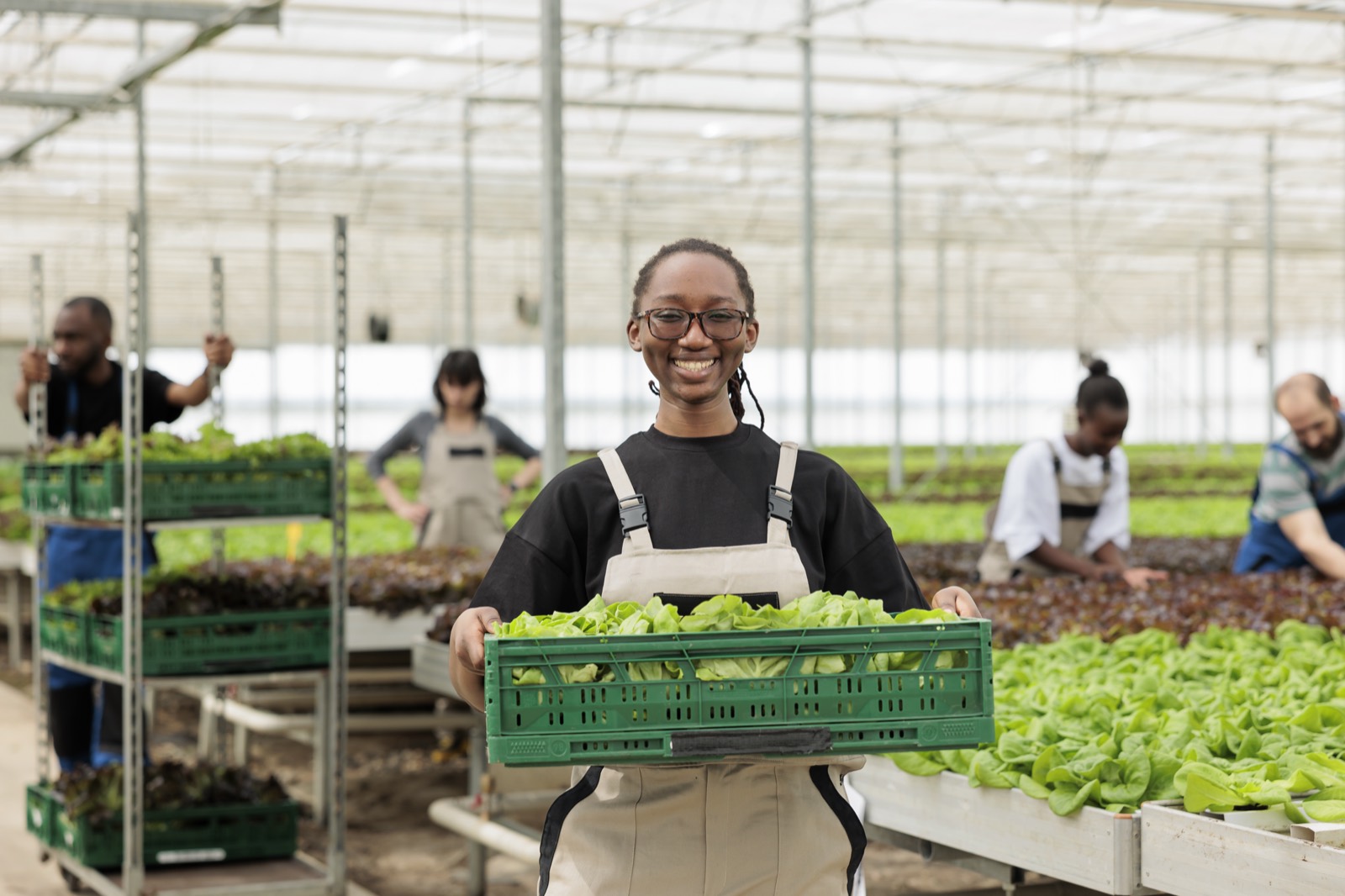
A farmer plants in May and sells in September. In between, there are months of expense and no income. Seed, fertiliser, labour, spraying and irrigation all have to be paid for before a single basket is sold. For a smallholder, that gap is the hardest part of farming, and it is why so many farmers borrow at high rates or sell their crop cheaply the moment it comes in.
A buyer has the opposite problem. A restaurant, a food processor or a shop needs a steady supply of a particular crop in a particular month, and in a short season the best produce is gone quickly. Both sides would be better off if they could agree in advance.
That is the idea behind selling before harvest, which we call reserve-ahead. A farmer lists a crop that is still growing. A buyer reserves a share of it and pays a deposit. The farmer gets working money now. The buyer gets a quantity and a price they can plan around. At harvest, the buyer pays the rest and receives the produce.
It works well when both sides understand what they are promising. This article explains the rules, and the mistakes to avoid.
How reserve-ahead works on Growa
- The farmer lists the crop as a reserve-ahead listing. They set the crop, the expected total harvest, the price per unit, the minimum order, and the expected harvest date, which must be a day in the future.
- A buyer reserves a share. They choose a quantity, up to what is still unreserved, and choose delivery or pickup. They pay a 20% advance of the total value.
- The farmer confirms the reservation once the advance has landed. From that moment the agreement is binding on the farmer.
- The farmer posts growth updates as the crop develops: short notes and photos at stages from sowing through to harvest. The buyer can follow progress without having to visit.
- At harvest, the buyer pays the remaining 80%, by bank transfer or cash on delivery, and the farmer delivers.
The deposit is held by the platform rather than handed over immediately, the same way other bank-transfer payments are held until delivery. See Why Your Money Is Held Until Delivery.
A worked example
These numbers are only an illustration, not a quote.
A farmer expects to harvest 100 bags of maize. They list it at ₦45,000 a bag. A buyer reserves 20 bags.
- Total value: 20 × ₦45,000 = ₦900,000
- Advance (20%): ₦180,000, paid when reserving
- Balance (80%): ₦720,000, paid at harvest
The farmer can use the ₦180,000 to cover labour and inputs while the crop grows. If the harvest is delayed or the crop is poor, the price stays at ₦45,000 a bag, and the buyer cannot be asked for more.
What each side is promising
The farmer's promise
Once a reservation is confirmed, the farmer is committing to the quantity, price and harvest date they agreed. The important consequence is that if the harvest falls short, or the market price rises, the difference is the farmer's to cover. The buyer is never charged more than the agreed price.
To protect everyone, the platform locks the main terms of a listing once it has an active reservation. The crop, unit, price, stock, minimum order and harvest date cannot be edited, so nobody can quietly change the deal after a buyer has paid. Photos and the description can still be improved.
Before confirming, the farmer can decline a reservation, which cancels it, and any deposit the buyer already paid is refunded. After confirming, there is no way out. That is deliberate, and it is what makes the agreement worth something to the buyer.
The buyer's promise
The buyer promises to pay the balance at harvest and to take delivery. A buyer can cancel a reservation only before the farmer confirms it. Once the farmer has confirmed and the crop is growing, the buyer is committed as well.
How a farmer avoids over-promising
Over-promising is the biggest risk in pre-harvest selling. A few habits help.
List less than you expect to harvest. If you expect 100 bags, list 70 or 80. Yield estimates before harvest are always uncertain: a late rain, a pest outbreak or a poor patch of soil can take 20% off a crop. Leaving a margin means that you can honour every reservation even in a disappointing season, and you can sell the rest on the spot market at harvest, possibly at a better price.
Reserve only for crops and fields you have experience with. A new variety on new land is exactly when yield estimates go wrong.
Count what is already committed. The listing shows how much is still available, but you should also remember what you have promised elsewhere to other buyers or to a processor.
Set a harvest date you can keep. Add a realistic buffer for weather. A date that arrives a week late is a broken promise even if the crop is fine.
Post growth updates regularly. A short photo update every week or two builds more trust than any amount of promising. If something goes wrong, such as a pest or a delay, tell the buyer early. Buyers forgive bad news told promptly far more readily than silence.
How a buyer avoids disappointment
Choose the seller carefully. A seller with a history of delivered orders and good reviews is a much safer choice than a new account, because you are paying before the crop exists.
Understand that the date is an expectation. Farming depends on rain, temperature and pests. A date that is a week or two out is normal. If you need the crop by a hard deadline, such as an event, reserve a seller whose harvest date leaves a margin.
Check the unit and the grade. Be as clear as you would for any other order. If you want Grade A tomatoes, say so.
Plan the balance. The remaining 80% is due at harvest. Make sure you will have the money available then.
Follow the updates. If the updates stop, ask the seller what is going on.
When it goes wrong
Not every season goes to plan, and it is better to think about the bad cases in advance.
- A partial crop. The farmer covers the difference, either from other produce of the same quality, or by agreeing a partial refund or a reduced order with the buyer. Honest, early communication makes this far easier.
- A late harvest. If it is only a few days, a message is usually enough. If it is longer, the buyer and farmer should agree a new arrangement between them, and either side can contact support if they cannot.
- A total failure. This is the worst case, and it is exactly why farmers should not reserve everything they expect to grow.
- A buyer who does not pay the balance. This is the rarest case. The farmer already holds the buyer's commitment and deposit. Talk to the buyer first, keep the messages, and contact support if it cannot be resolved. Do not deliver the produce before you are paid or have agreed cash on delivery.
Why it is worth the effort
For a smallholder, a 20% advance can be the difference between planting a full field and planting half of it. It replaces expensive borrowing with money that comes with a buyer attached. And it pushes a farmer to think about the market before planting, which is the right order: decide who will buy it, then grow it.
For buyers, it is a way to secure supply, to fix a price in an uncertain market, and to build a relationship with a farmer who will remember you at harvest.
If you are a farmer, start with one small reservation you are certain you can deliver, and treat it as a trial. If you are a buyer, reserve a modest quantity from a seller with good reviews. Learn how the process feels, and scale up from there. You can start from the Growa Vendor or Growa Marketplace pages.