Blog / Farming Practice
Cutting Post-Harvest Losses: Practical Steps From Field to Buyer
A crop is not sold when it is harvested, it is sold when it arrives in good condition. How to protect tomatoes, vegetables, tubers and grains between the field and the buyer.
RootRise Team · · 8 min read
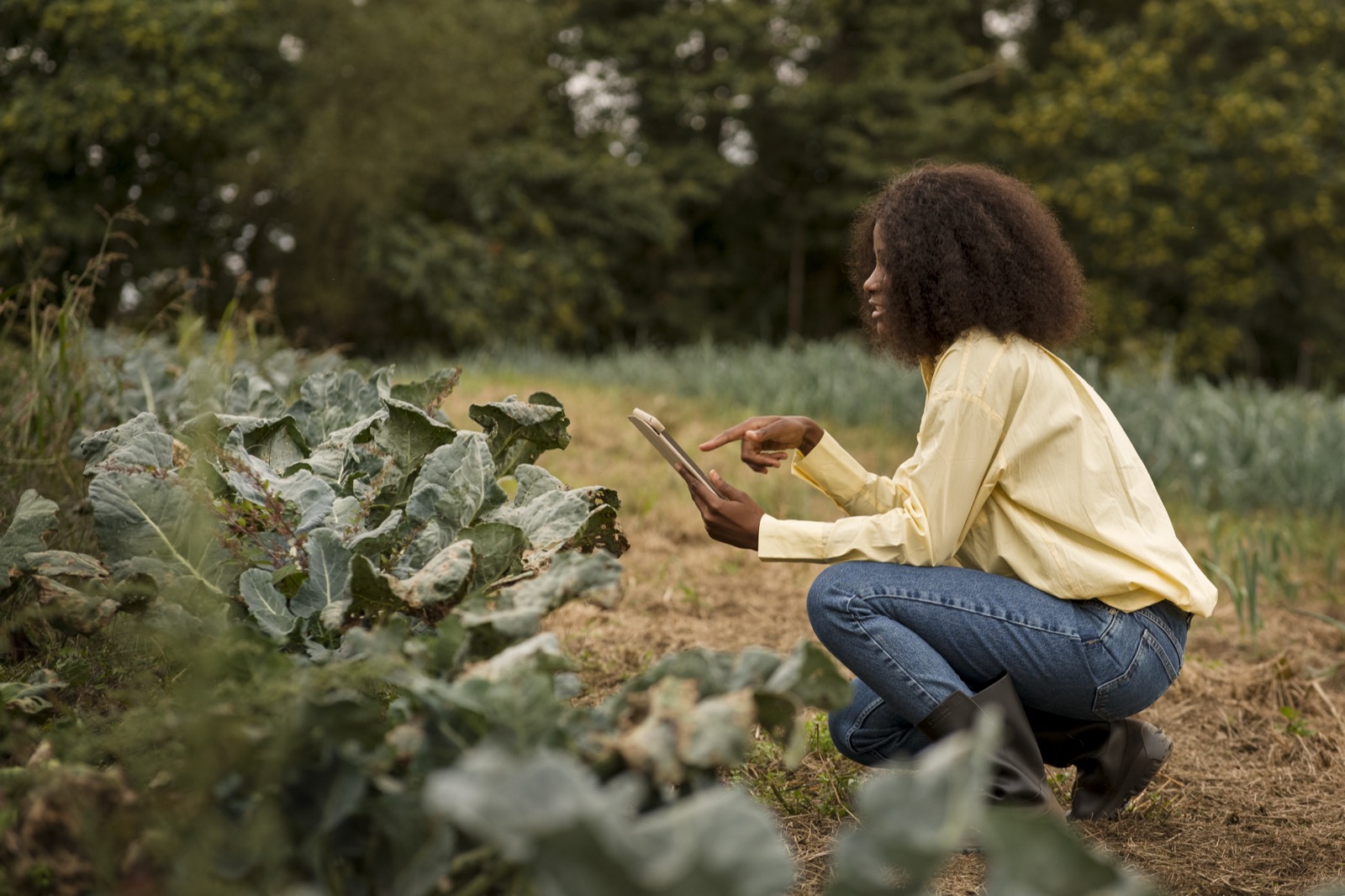
A farmer spends months growing a crop, then loses a share of it in the days after harvest. The tomatoes crushed at the bottom of a basket. The maize that grew mould in storage. The leafy vegetables that wilted on the road. None of this shows up in a yield figure, because the crop was successfully grown. But it shows up in the money, because the produce that spoils is produce you cannot sell.
Post-harvest loss is one of the most overlooked problems in farming. Estimates for fresh produce in many developing countries are often put at a large share of what is harvested, in some cases a third or more for the most perishable crops, though figures vary a great deal by crop, place and season. You do not need an exact number to see why this matters. Every kilogram that does not spoil is a kilogram you have already paid to grow. Saving a crop is almost always cheaper than growing more of it.
This guide covers the main places where produce is lost, and the practical steps that reduce each.
Where the losses happen
Losses build up in a chain, and the weak link is rarely where you expect it.
- At harvest: picking at the wrong stage, rough handling, harvesting in the heat of the day.
- On the farm after harvest: produce left in the sun, in heaps, or waiting too long before moving.
- In packing and grading: overfilled containers, mixing damaged and good produce, using sacks for fragile items.
- In transport: long journeys, heat, bad roads, stacked loads.
- In storage: too much moisture, pests, poor ventilation, no checking.
- In selling: waiting for a better price while the crop deteriorates.
Notice that most of these are about time, heat and handling. Fresh produce is alive. It keeps breathing and losing water after harvest, and the warmer it is, the faster it ages. The goal in every case is the same: keep it cool, keep it undamaged, and get it to the buyer quickly.
Tomatoes and other soft fruit
Tomatoes are among the most heavily affected, because they are soft, perishable and grown in large quantities within a short season.
Harvest at the right stage. For produce that must travel, pick when the fruit is firm and just beginning to change colour (at the "breaker" or "turning" stage) rather than fully red. It will finish ripening on the way and arrive firm. Fully ripe fruit for a market two days away is fruit that will bruise.
Harvest cool. Pick in the early morning, when the fruit is cool. Produce harvested in the midday sun carries field heat that speeds ageing.
Handle it as if it were eggs. Do not throw, drop or tip fruit. Pick it with the stem end up and place it gently in the container.
Use the right container. This single change matters more than almost any other. Tall woven baskets and sacks put the weight of the whole load on the bottom layer, which gets crushed. Rigid, ventilated crates that hold a modest weight protect the fruit and allow air to move. They cost money, but they pay for themselves quickly in less spoilage and better prices for undamaged fruit. Do not overfill, and do not stack crates in a way that rests weight on the fruit.
Keep it in the shade. Move produce under a tree, a shed or a tarpaulin held off the ground immediately after picking. A few hours in direct sun can do more harm than a day in the shade.
Sort and grade. Remove damaged, split or rotten fruit at the start. One rotten tomato in a crate will spoil its neighbours. Grading also lets you sell the best fruit at the best price, and the rest separately for cooking or processing.
Do not wash fruit that you plan to store, unless you dry it thoroughly. Moisture invites rot.
Have a plan for a glut. In peak season the price falls and some produce cannot be sold fresh. Tomatoes can be cooked down into paste or dried, and a small processing option turns waste into income.
Leafy vegetables and herbs
Leafy crops such as ugu, spinach, amaranth and lettuce lose water fast and wilt within hours.
- Harvest early in the morning and move straight to the shade.
- Keep it damp and cool, not wet. Loosely wrap or cover with a damp cloth, and keep it out of the sun.
- Pack loosely in ventilated containers. Compressed leaves heat up and rot.
- Sell the same day if you can. For these crops, speed is the main tool.
Roots and tubers: yam, cassava, sweet potato
Yams store better than most crops, if handled well.
- Harvest fully mature tubers. Immature yams store poorly.
- Handle without bruising or cutting. Every wound is an entry point for rot.
- Store in a cool, shaded, well-ventilated place, such as a traditional yam barn, with tubers separated and off the ground.
- Check regularly and remove any tuber that begins to rot before it infects the others.
Cassava is the opposite: it spoils within a couple of days of harvest. The roots begin to deteriorate quickly, often turning streaky and discoloured within one to three days. The solution is timing: harvest only what you can process or sell within a day or two, or process it quickly into products such as gari, flour or chips.
Sweet potatoes bruise easily and need careful handling and a cool, dry, shaded place.
Grains and legumes: maize, rice, beans
With grains, the main enemies are moisture, insects and mould.
Dry them properly first. Grain stored too moist will heat up, grow mould and spoil. For maize, a moisture content of about 13 to 14 percent is the usual safe target for storage. A simple grain moisture meter takes the guesswork out, and is a good investment for anyone storing a large amount. If you have none, ask your extension officer or a local buyer how they test.
Clean the grain of chaff, broken pieces and foreign matter before storing.
Protect against insects and mould.
- Hermetic (airtight) storage bags, designed for grain, starve insects of oxygen without chemicals. They have been widely used in West Africa and are a good option for cowpea and maize.
- Raise stored bags off the floor on pallets and keep them away from walls.
- Keep the store clean, dry and well-sealed against rain and rodents.
- Do not mix new grain with old grain, as old grain may carry pests.
- Inspect regularly, looking for heat, a musty smell, or insects.
Mouldy grain is not only a financial loss. Some moulds produce toxins (aflatoxins) that are harmful to people and animals, which is the reason moisture control matters beyond income.
Transport and timing
Even well-handled produce can be undone in a vehicle.
- Travel in the cool part of the day when possible.
- Do not leave loaded vehicles standing in the sun.
- Load carefully: heavy items at the bottom, fragile items on top or in separate crates, and avoid crushing.
- Cover the load to keep off sun and rain, while still allowing air through.
- Have the buyer ready. The shortest route from farm to buyer is the one with the least waiting.
Selling smarter reduces losses too
Many losses are caused by not knowing where the produce will go.
- Sell to known buyers. If a buyer is waiting for your produce, you can pick it fresh and send it straight away, with no days spent looking for a market.
- Pre-sell part of the crop. Agreeing to supply a buyer in advance, including reserving ahead, tells you how much to harvest and when.
- Harvest in stages. Pick what you can sell this week, and leave the rest in the field until it is needed, for crops that hold well on the plant.
- Shorten the chain. Every handler between you and the end buyer adds time and handling. Selling direct, as you can on the Growa marketplace, reduces both.
Measure your own losses
You cannot improve what you do not measure. For one harvest, keep a simple tally:
- Weigh or count everything you harvested.
- Record what was thrown away at each stage: at sorting, in transport, in storage.
- Record what was sold, and at what price.
The result might be uncomfortable, but it tells you where the biggest gain is. If most of the loss happens in transport, buying crates will help. If it happens in storage, the answer is drying and better bags. For the numbers to mean something, record them alongside the field they came from. We cover how in Record-Keeping for Smallholder Farmers.
A checklist to take to the field
- Pick at the right stage and at the cool time of day.
- Handle gently; do not drop, throw or overfill.
- Put produce in the shade straight away.
- Sort and grade; remove damaged items.
- Use rigid, ventilated crates for soft produce and clean, dry, airtight bags for grain.
- Dry grain to a safe moisture level before storing it.
- Keep stores clean, dry and off the floor, and check them often.
- Move produce in the cool of the day, and avoid waiting.
- Know who your buyer is before you harvest.
- Measure your losses, and fix the biggest one first.
None of these steps needs expensive equipment. Most need only discipline, a few crates, and a plan. And each one adds directly to what you earn from a crop you have already grown.